
NatureWe all know how beautiful our wild, unspoilt nature can be... and it's importance to our living planet Earth. But did you realise the speed at which man himself is damaging it's unique natural habitat? We are well on our way to destroy our forests, plants, wetlands; we are polluting our oceans and seas. This way, we're driving numerous animal species, plant species and many others into extinction. Everyone should be aware of the importance of our natural environment. Here you can read about the true value that forests, plants, wetlands, oceans and seas have for life on Earth. You'll find additional information about current and future threats to our natural planet, why we need nature to survive and how we can deal with the environmental problems we face. |
AirWe are polluting the air in our atmosphere, resulting in increasing global temperatures. CO2 is the most significant gas in our
atmosphere, which keeps planet Earth warm. The warming of the earth can bring several dangerous consequences like global meltdown of glaciers and polecaps, river floodings, spreading diseases, strong hurricanes and the loss of unique, irreplacable
coral reefs.
|
Water
|
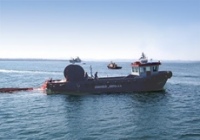 The world's oceans and seas are threatened by
LandPlants are threatened because of habitat loss, forcing many plant species towards extinction, no matter how important these plants are to us. They provide man, as well as animals, with food, shelter, clothing, medicine, and most of all... oxygen. To save our plants, we need to stop unsustainable logging, halt pollution, monitor plant collecting, and protect exotic and endangered species.
|
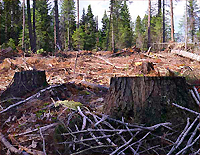 Forests are endangered because of industrial scale